 Fireblaze
 Fireblaze News & Events
From Jharkhand to Maharashtra: Judging Priyadarshini College's SIH 2026
Quick answer: On 22 August 2026, Fireblaze AI School founder Aniruddha Kalbande served as Chief Guest and Jury for the Internal Smart India Hackathon (SIH) 2026 at Priyadarshini College of Engineering (PCE), Nagpur. He met and evaluated around 50 student teams over the day. Two projects stood out for how far apart their problems were: one addressing water contaminated by radiation in the Jharkhand region, another tackling an agricultural problem specific to Maharashtra. This post covers what stood out, and why the range of problems mattered as much as any single solution.
Fifty teams, one day
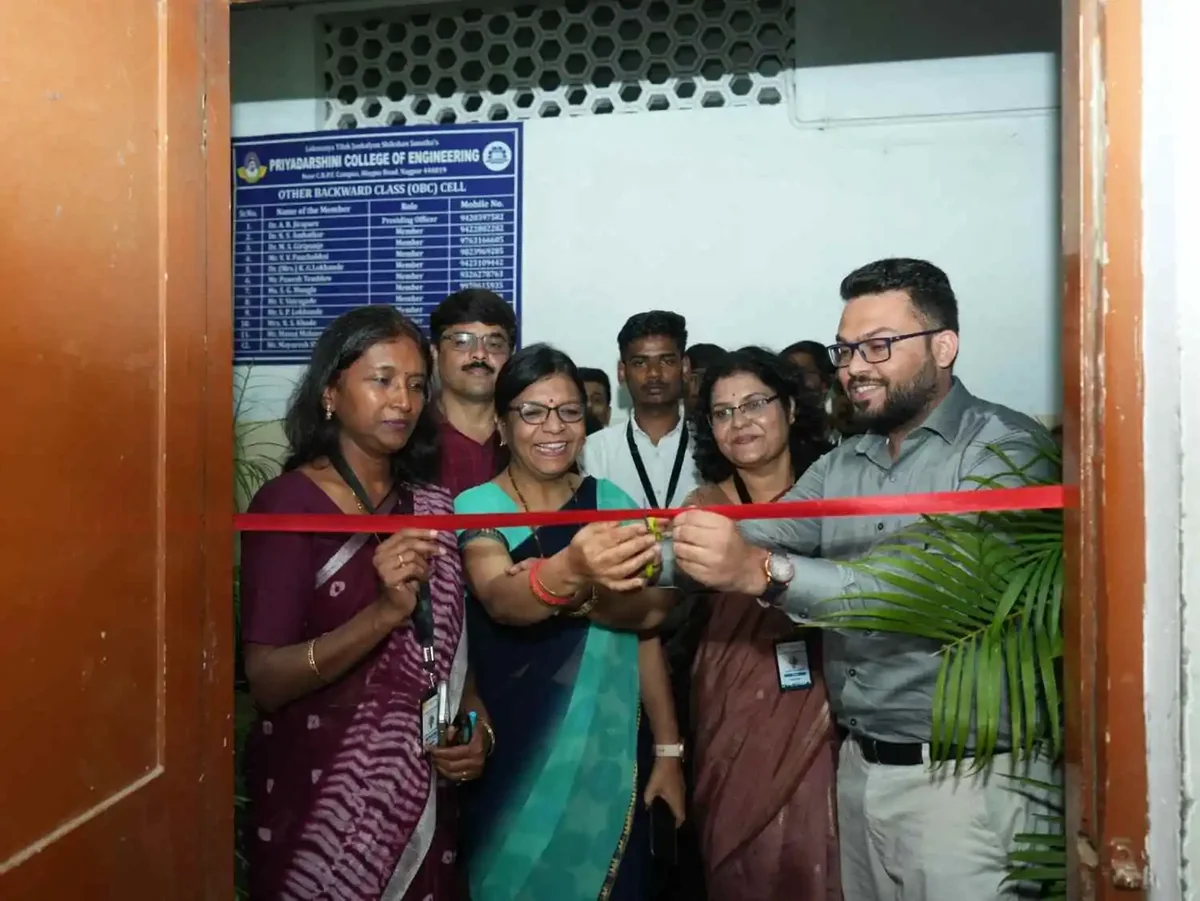
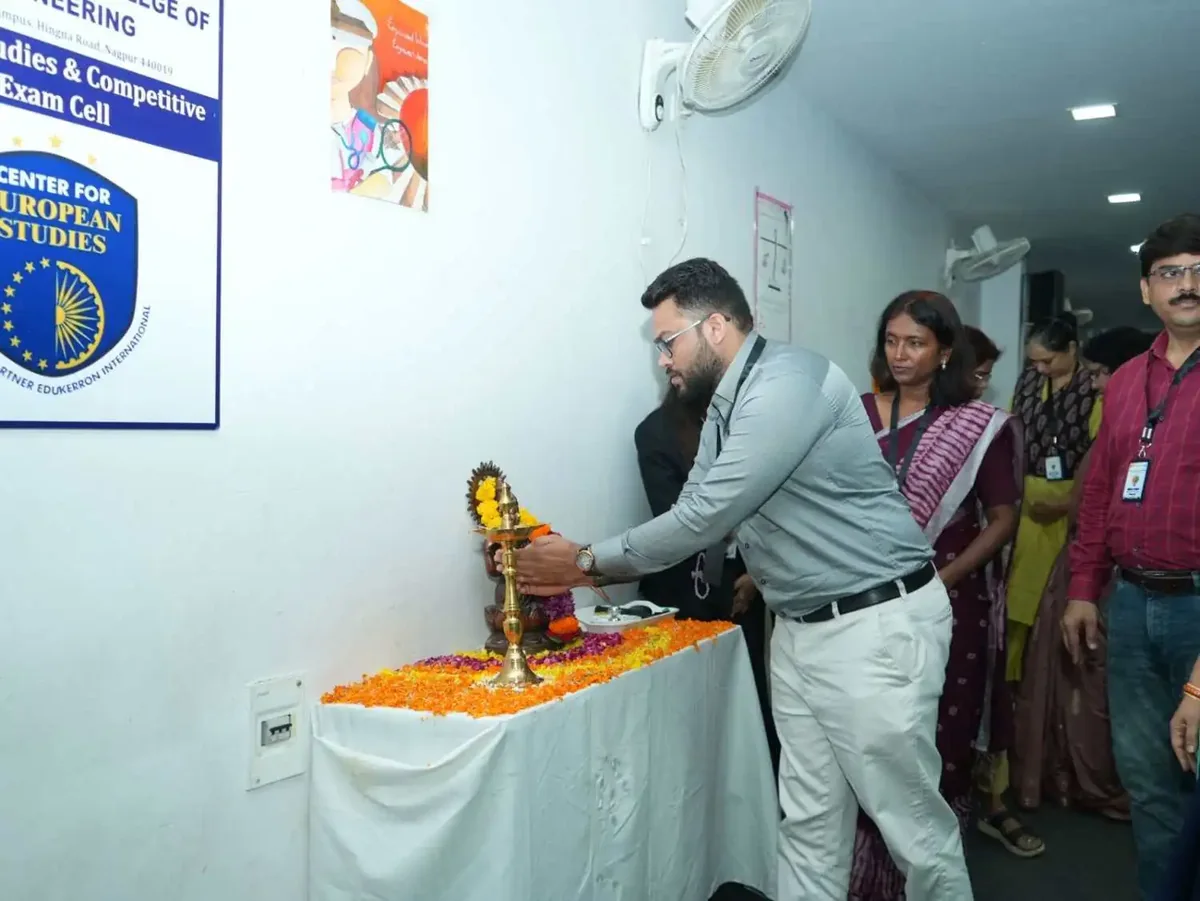
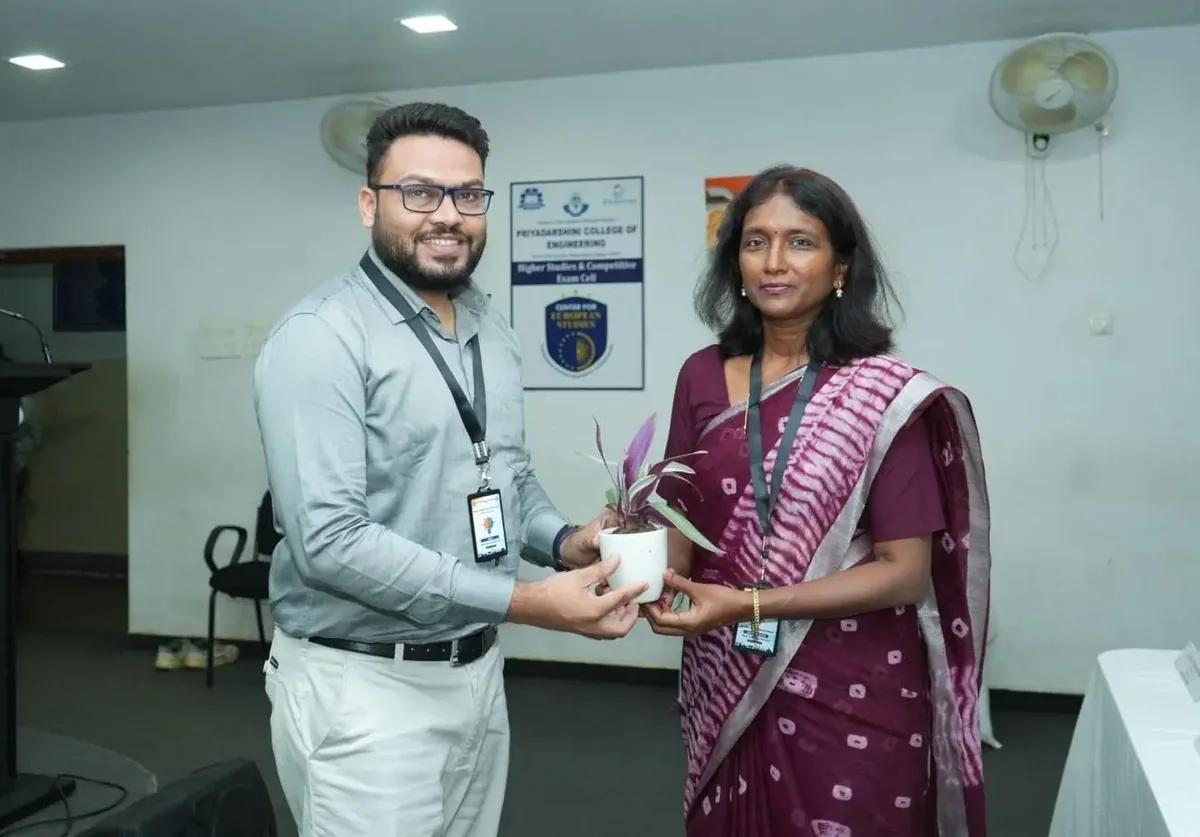
Priyadarshini College of Engineering ran its internal round of the Smart India Hackathon on 22 August 2026, and Aniruddha Kalbande was invited as Chief Guest and Jury. The format was straightforward and demanding in equal measure: around 50 teams, each with a working prototype or a clear plan for one, presenting to a panel that had to understand the problem, judge the solution, and give feedback worth acting on, all in the time it takes to walk from one table to the next.
What stayed with the jury by the end of the day was not any one standout pitch. It was the spread. Fifty teams at a single Nagpur campus had found fifty different problems worth solving, and several of them were not local at all.
The internal round, briefly
Most colleges taking part in the national Smart India Hackathon first run an internal round of their own, to work out which teams and ideas will represent the campus. Fireblaze covered what that round actually involves, and how it differs from the national event, in an earlier recap from KITS Ramtek's Internal SIH 2026. The short version: it is a real judging process, not a formality, and PCE's version on 22 August was no exception.
Two states, two problems
Two projects made the point better than any general observation could.
- A project addressing water contaminated by radiation in the Jharkhand region. Parts of Jharkhand sit near decades of uranium mining activity, and radiation-affected groundwater is a documented regional problem, not an invented one. A team of engineering students in Nagpur choosing to build for a water crisis roughly a thousand kilometres away says something about how they are being taught to look for problems.
- A project addressing an agricultural problem specific to Maharashtra. Closer to home, and no less real: a team working on a challenge that shows up on farms the students likely grew up near or visited, aimed at the kind of problem that does not make headlines but does show up in a farmer's yield every season.
A national water-contamination problem and a state-level agricultural one, judged back to back, on the same afternoon, by students at the same college. That range is the actual story.
What stood out
Across all fifty teams, the pattern worth naming was intent. Students had clearly understood the problem they were solving before they started building a solution for it, and could explain both in the same breath when asked. That is a harder skill to teach than any single framework or tool, and it showed in how teams answered follow-up questions rather than in the polish of any one slide.
About Priyadarshini College of Engineering
Priyadarshini College of Engineering (PCE), on Hingna Road, Nagpur, is a NAAC A+-accredited, AICTE-approved engineering college affiliated to Rashtrasant Tukadoji Maharaj Nagpur University (RTMNU), established in 1990 and offering programs across eight engineering disciplines.
Thanks to Priyadarshini College of Engineering
Thanks to the college management, and to Dr. Mrs. A. P. Rathkanthiwar, Head of the Department of Electronics and Telecommunication Engineering, and Vrushali Shirpurkar, for the invitation and for a day spent well. To every team that presented: the range of problems you chose to work on was the most encouraging part of the day, and that instinct matters more than any single prototype.
Fireblaze AI School regularly engages with Nagpur-area colleges through vocational training, faculty development programs, and hackathon mentorship or jury support. If your college is exploring something similar, see our college partnerships program.
FAQ
Frequently Asked Questions
What was Aniruddha Kalbande's role at Priyadarshini College of Engineering's event?
He was invited as Chief Guest and Jury for the Internal Smart India Hackathon 2026 at Priyadarshini College of Engineering (PCE), Nagpur on 22 August 2026, meeting and evaluating around 50 student teams over the day.
Where and when was this hackathon held?
At Priyadarshini College of Engineering, Hingna Road, Nagpur, on 22 August 2026, as the college's internal round ahead of the national Smart India Hackathon.
How many teams took part?
Around 50 student teams presented and were evaluated over the course of the day.
What kind of projects did students present?
Projects covering a wide range of problems, including one addressing water contaminated by radiation in the Jharkhand region and another addressing an agricultural problem specific to Maharashtra.
What is the Smart India Hackathon (SIH)?
The Smart India Hackathon is the Government of India's national hackathon, run by the Ministry of Education's Innovation Cell alongside AICTE, where student teams build solutions to problem statements from government ministries, PSUs and industry. Most colleges first run an internal hackathon to shortlist which teams represent the campus at the national round.
What is Priyadarshini College of Engineering, Nagpur?
A NAAC A+-accredited, AICTE-approved engineering college on Hingna Road, Nagpur, affiliated to Rashtrasant Tukadoji Maharaj Nagpur University (RTMNU), established in 1990 and offering programs across eight engineering disciplines.
Can other colleges partner with Fireblaze AI School for hackathons or training?
Yes. Fireblaze AI School's college-partnerships program covers MOU-based vocational training cohorts, faculty development programs, and mentorship or jury support for student hackathons and competitions. Visit our college partnerships page for a proposal.
Keep Reading
Related Articles
Fireblaze News & Events
Fireblaze AI School Founder Mentors Winning Teams at Orange Promptathon 2026
Fireblaze AI School founder Aniruddha Kalbande mentored multiple student teams that secured top positions at Orange Promptathon 2026, a major AI…
Fireblaze News & Events
Fireblaze Tech League Season 2: AI CFO Hackathon Brings 20 Student Teams to Nagpur
On 13 June 2026, Fireblaze AI School hosted its flagship AI hackathon, "Fireblaze Tech League (FTL) 2.0," at Mate Square, Nagpur. The theme was "AI CFO –…
Fireblaze News & Events
Fireblaze Tech League Season 3 Concludes in Nagpur with AI-Powered Mining Innovation Challenge
Fireblaze Tech League (FTL 1.3) was a 21-day innovation competition organized by Fireblaze AI School, where participants tackled the real-world challenge…