Member Directory: Complete Guide to Building and Managing Member Databases
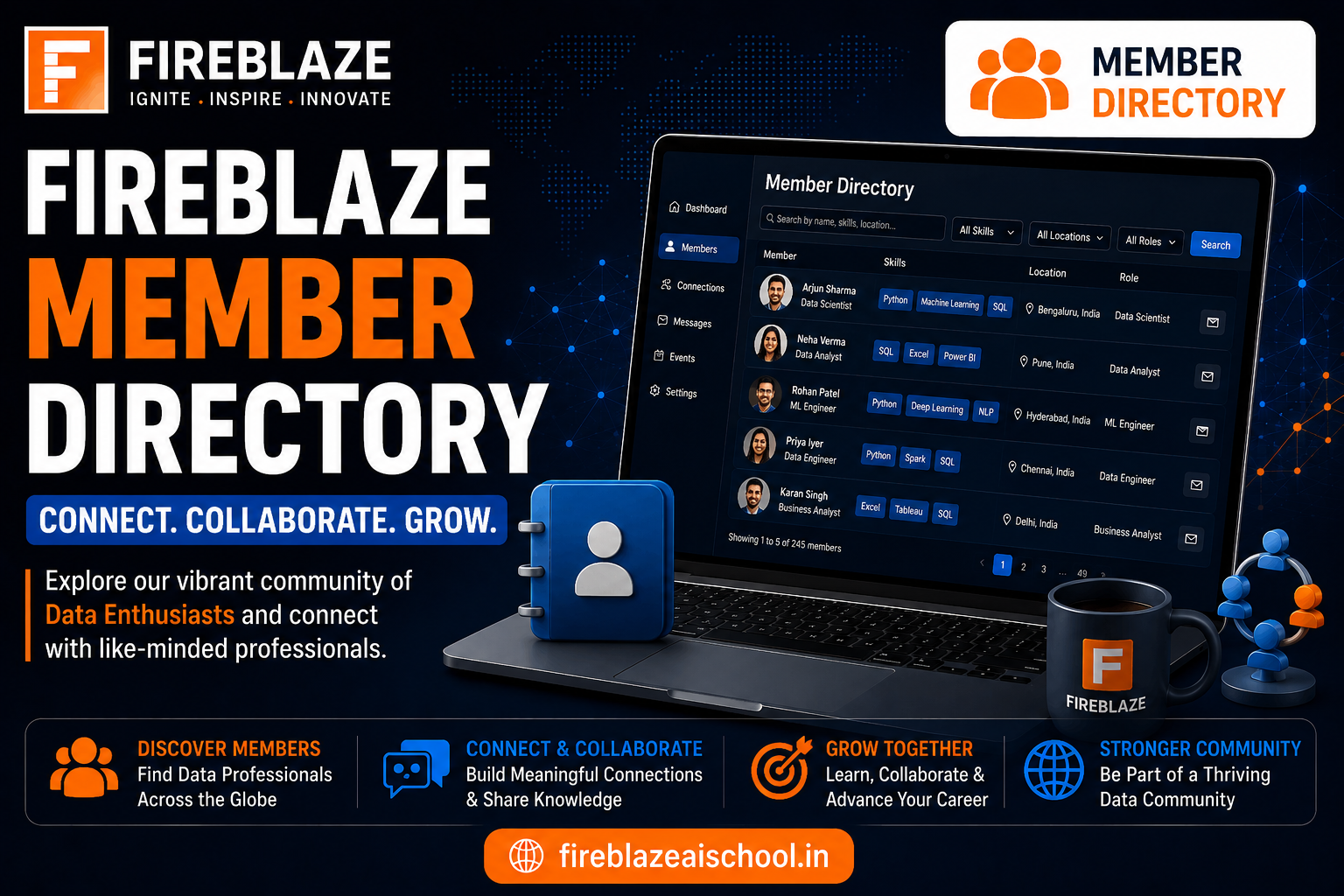
Member Directory: Complete Guide to Building and Managing Member Databases
In today's digital world, organizations, educational institutions, professional communities, associations, and businesses rely heavily on organized member information.
A Member Directory serves as a centralized database that helps manage, search, and connect members efficiently.
Whether it's a professional network, alumni association, training institute, community group, or business organization, a well-structured member directory improves communication, engagement, and operational efficiency.
In this guide, you'll learn:
What a Member Directory is
Why organizations need it
Key features of a modern directory
Benefits and use cases
Best practices for management
Future trends in directory systems
What is a Member Directory?
A Member Directory is a centralized system that stores and organizes information about members within an organization or community.
Typical member information includes:
Name
Contact Details
Email Address
Phone Number
Membership ID
Role or Designation
Location
Skills and Expertise
Membership Status
The primary goal is to make member information easily searchable and accessible.
Why is a Member Directory Important?
Managing hundreds or thousands of members manually can become difficult.
A member directory helps organizations:
Maintain accurate records
Improve communication
Facilitate networking
Track membership activity
Enhance member engagement
It serves as the foundation for effective community management.
Key Features of a Modern Member Directory
Centralized Database
All member information is stored in a single location, reducing duplication and inconsistencies.
Advanced Search Functionality
Users can search members using:
Name
Location
Department
Skill Set
Membership Category
This improves accessibility and efficiency.
Profile Management
Members can update their own profiles, ensuring information remains accurate and current.
Membership Status Tracking
Organizations can monitor:
Active Members
Expired Memberships
Renewals
New Registrations
Communication Integration
Directories often integrate with:
Email Systems
SMS Platforms
Community Portals
CRM Systems
This simplifies outreach efforts.
Role-Based Access Control
Different user roles can have different access levels.
Examples:
Administrators
Staff
Members
Community Leaders
This enhances security and privacy.
Benefits of a Member Directory
Improved Communication
Organizations can quickly reach members using updated contact information.
Better Networking Opportunities
Members can connect with others based on:
Interests
Skills
Industries
Locations
This encourages collaboration and knowledge sharing.
Increased Member Engagement
When members can easily interact with one another, participation rates often increase.
Operational Efficiency
Automating member management reduces administrative workload and saves time.
Enhanced Data Accuracy
Centralized systems reduce errors caused by spreadsheets and manual records.
Common Use Cases
Educational Institutions
Schools, colleges, and training institutes use directories to manage:
Students
Alumni
Faculty Members
Professional Associations
Professional organizations maintain directories for:
Industry Experts
Certified Members
Business Partners
Community Organizations
Community groups use directories to:
Organize events
Manage volunteers
Improve communication
Corporate Organizations
Businesses maintain internal directories for:
Employees
Departments
Leadership Teams
Training Institutes
Training organizations use member directories to track:
Learners
Mentors
Trainers
Alumni Networks
Essential Data Fields in a Member Directory
A comprehensive directory should include:
| Field | Purpose |
|---|---|
| Member ID | Unique Identification |
| Full Name | Member Identification |
| Communication | |
| Phone Number | Contact Information |
| Location | Geographic Information |
| Membership Status | Active/Inactive Tracking |
| Skills | Networking & Search |
| Join Date | Membership History |
Challenges in Managing Member Directories
Data Accuracy
Outdated information can reduce effectiveness.
Regular updates are essential.
Privacy Concerns
Organizations must protect sensitive member information.
Data protection policies should be implemented.
Duplicate Records
Without proper validation, duplicate profiles may occur.
Scalability
As organizations grow, directory systems must handle increasing data volumes efficiently.
Best Practices for Member Directory Management
Keep Information Updated
Encourage members to review and update profiles regularly.
Implement Search Filters
Advanced search capabilities improve usability.
Use Secure Authentication
Protect member data through secure login systems.
Automate Membership Tracking
Use automated reminders for:
Renewals
Profile Updates
Membership Expirations
Ensure Mobile Accessibility
Modern directories should work seamlessly across devices.
The Future of Member Directories
Technology is transforming directory management.
Emerging trends include:
AI-Powered Search
Artificial Intelligence can improve search relevance and recommendations.
Smart Networking Suggestions
Systems can recommend connections based on shared interests and goals.
Integrated Analytics
Organizations can track:
Member Engagement
Activity Levels
Community Growth
Cloud-Based Platforms
Cloud solutions provide:
Better Accessibility
Scalability
Security
How Member Directories Support Community Growth
Strong communities rely on effective connections.
A well-designed member directory helps:
Foster collaboration
Improve communication
Strengthen engagement
Build professional networks
Organizations that invest in structured member management systems often experience higher retention and participation rates.
Final Thoughts
A Member Directory is much more than a contact database. It serves as a powerful tool for communication, networking, collaboration, and community building.
Whether you're managing students, professionals, employees, alumni, or community members, an effective directory system helps streamline operations and create meaningful connections.
As organizations continue to grow digitally, member directories will remain a critical component of modern community and membership management.